Jean Scott
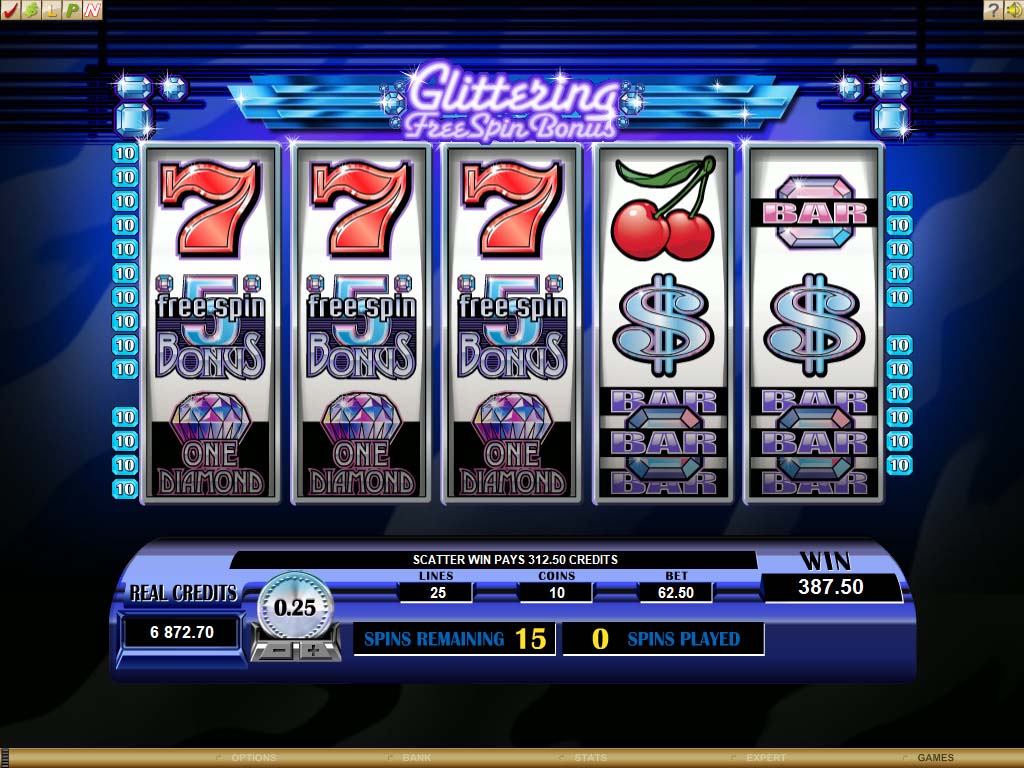
Digital gaming has moved far beyond the simple layouts that once defined traditional slot machines. Modern titles may include animated environments, layered sound effects, interactive bonus rounds, and several ways to form winning combinations. For people exploring slot online games, these changes make it useful to understand not only the visual experience but also the rules that determine how each game operates.
The variety can be appealing, yet a more elaborate design does not necessarily mean better odds or greater returns. A practical comparison starts with the mechanics, costs, and conditions attached to each title.

Understanding the Main Types of Game Mechanics
Before selecting a title, it helps to recognise the basic systems used to calculate wins.
Payline games award qualifying combinations along designated lines. Some have a small number of fixed paylines, while others offer many possible lines across several reels.
Ways-to-win games use adjacent matching symbols or other defined arrangements rather than relying exclusively on traditional lines. The exact rules differ between titles.
Cascading games remove certain winning symbols and replace them with new ones. This can create consecutive opportunities within a single paid spin, depending on the game’s mechanics.
Bonus-based games introduce additional rounds when specific conditions are met. These may include free spins, expanding wild symbols, or multipliers.
Understanding these categories helps players compare games by their actual rules rather than relying on theme or popularity alone.
Mobile Access and the Playing Experience
Many online slots are designed to work on both desktop browsers and mobile devices. A responsive interface can make buttons easier to use on smaller screens, while readable paytables help players check the rules without constantly switching devices.
However, convenience can also encourage longer sessions. When a game is available on a phone, it may be easier to reopen it during spare moments without considering how much time or money has already been spent.
A few practical checks can improve the experience. Players should confirm that the rules are legible, the stake controls are clear, and the game displays relevant information before a spin begins. They should also avoid playing while distracted or when they are trying to escape stress.
What RTP and Volatility Tell Players
Two terms often appear in discussions about slot online games, return to player and volatility.
RTP is a theoretical percentage calculated over a very large number of game rounds. It does not predict what an individual will receive during a short session. A game with a stated RTP of 96%, for example, does not promise that a player will recover 96% of their own wagers.
Volatility describes the general distribution of payouts. Lower-volatility games may produce smaller payouts more frequently, whereas higher-volatility games can involve longer stretches without substantial returns. These descriptions are not guarantees, and actual outcomes can vary widely.
Looking at both measures provides more context than judging a game by a recent winning streak or an online testimonial.
Making an Informed Choice
The growth of digital gaming has given online slots a wide range of visual styles and mechanical features. That variety makes it possible to compare straightforward games with more complex formats, but it also makes reading the rules more important.
The most useful starting point is to understand how a title works, what its published information actually means, and what financial conditions apply. A careful decision does not promise a winning result; it simply allows the player to approach the experience with clearer expectations and better control over personal limits.